

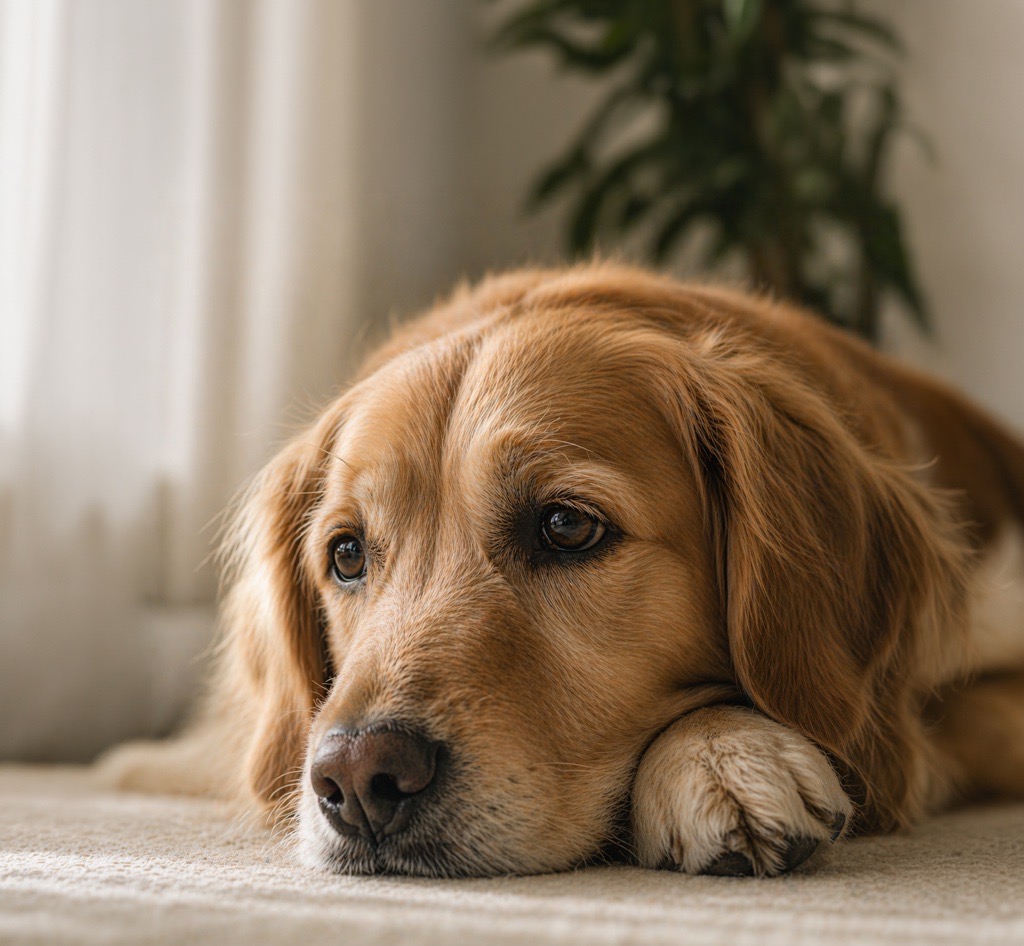
Keeping a Routine Watch Over Your Pet’s Health - Why Routine Observation Matters
Pets can’t tell you when something is wrong. By the time a problem becomes obvious — limping, refusing food, visible swelling — it has often been brewing for weeks. Daily and weekly observation builds a baseline understanding of your pet’s “normal,” which makes it far easier to spot deviations early. Early detection almost always means simpler treatment, faster recovery, and significantly lower vet bills.
A Personal Note — Life With Laptop & Queen
I have two girls — Laptop and Queen — and over time, our walks have become so much more than just exercise. They’ve become a daily health check disguised as quality time. Every walk, almost without thinking about it now, I find myself watching. Are they walking evenly? Is there any favouring of a paw, a slight hitch in the stride, a reluctance to put full weight on a leg? Gait and posture are often the first place discomfort shows up — long before a dog will whimper or cry. A subtle change in how Laptop carries herself, or how Queen holds her tail, can tell me more than a week of watching them at home. I check their poop on every walk — colour, consistency, whether there’s any straining, whether something looks off. It sounds unglamorous, but honestly it’s one of the most valuable two seconds of the day. A healthy stool is firm, chocolate-brown, and passed without effort. Anything looser, darker, lighter, or with mucus gets noted mentally, and if it repeats, it’s a vet conversation. Urine colour is something most pet owners never think to observe — but I do. Pale yellow is ideal. Dark, concentrated urine, or straining to go, or going far more frequently than usual — these are signals worth taking seriously, especially for Queen. Urinary issues in dogs can escalate fast, and catching it on a walk rather than in an emergency clinic is exactly the kind of small attention that saves big heartbreak. And then there’s the monthly weigh-in. I make it a habit — same day each month, same scale. Weight is the one metric that ties everything together. A dog can look completely normal to the eye but be quietly losing 200–300 grams a month, which over six months becomes a red flag for kidney disease, thyroid issues, or something more serious. On the flip side, gradual weight gain sneaks up just as quietly, putting stress on joints and organs. The monthly number keeps me honest and gives my vet a real data trail — not just a snapshot, but a story. With Laptop and Queen, this routine isn’t a chore. It’s just how we love them back.
🐶 For Your Dog
Daily Checks (5 minutes)
Energy & behaviour — Is your dog as eager for walks and play as usual? A sudden drop in enthusiasm, even for a day or two, is often the first signal of an underlying issue — infection, joint pain, or early illness. Dogs mask discomfort instinctively; lethargy is one of the few things they can’t hide.
Eating & drinking — Note how quickly they finish meals and roughly how much water they consume. Increased thirst is a classic early warning sign for diabetes, kidney disease, and Cushing’s syndrome — all very manageable if caught early, very costly if not.
Bathroom habits — Loose stools more than once, straining to urinate, or blood in either warrants a vet call within 24–48 hours. These are among the most commonly ignored early warning signs.
Coat & skin — Run your hand along their back and sides while petting. You’re feeling for new lumps, bumps, dry patches, or unusual shedding. Skin issues in dogs escalate quickly and become expensive if ignored.
Weekly Checks (10 minutes)
Eyes — Clear and bright is good. Cloudiness, excessive discharge, or redness needs attention. Early eye issues are very treatable but often missed.
Ears — Smell them gently. A yeasty or foul odour, head shaking, or scratching at ears signals an ear infection — a quick weekly sniff saves a ₹2,000–5,000 treatment.
Teeth & gums — Gum colour should be pink. Bad breath that worsens over weeks is early dental disease. Dental issues left untreated lead to heart, kidney, and liver complications — and extractions that cost ₹8,000–20,000+.
Weight — Weigh monthly at minimum, on the same scale, same day. Log it. You’re looking for trends, not just numbers. Even 200–300g of consistent monthly loss or gain is meaningful data.
Gait & posture on walks — Watch how they move, not just that they move. Any favouring of a limb, stiffness getting up, reluctance to jump, or change in how they carry their tail or head can signal early joint, nerve, or muscular issues — all far more treatable at the first sign than after months of compensation.
Nails & paws — Overgrown nails change gait and cause joint stress over time. Indian summers can be punishing . Check paw pads for cracks or cuts, especially after summer walks on hot surfaces.
Note : try and not walk in areas with no cover /shade of trees at this time of the year, try and do early morning or barmy afternoons …